
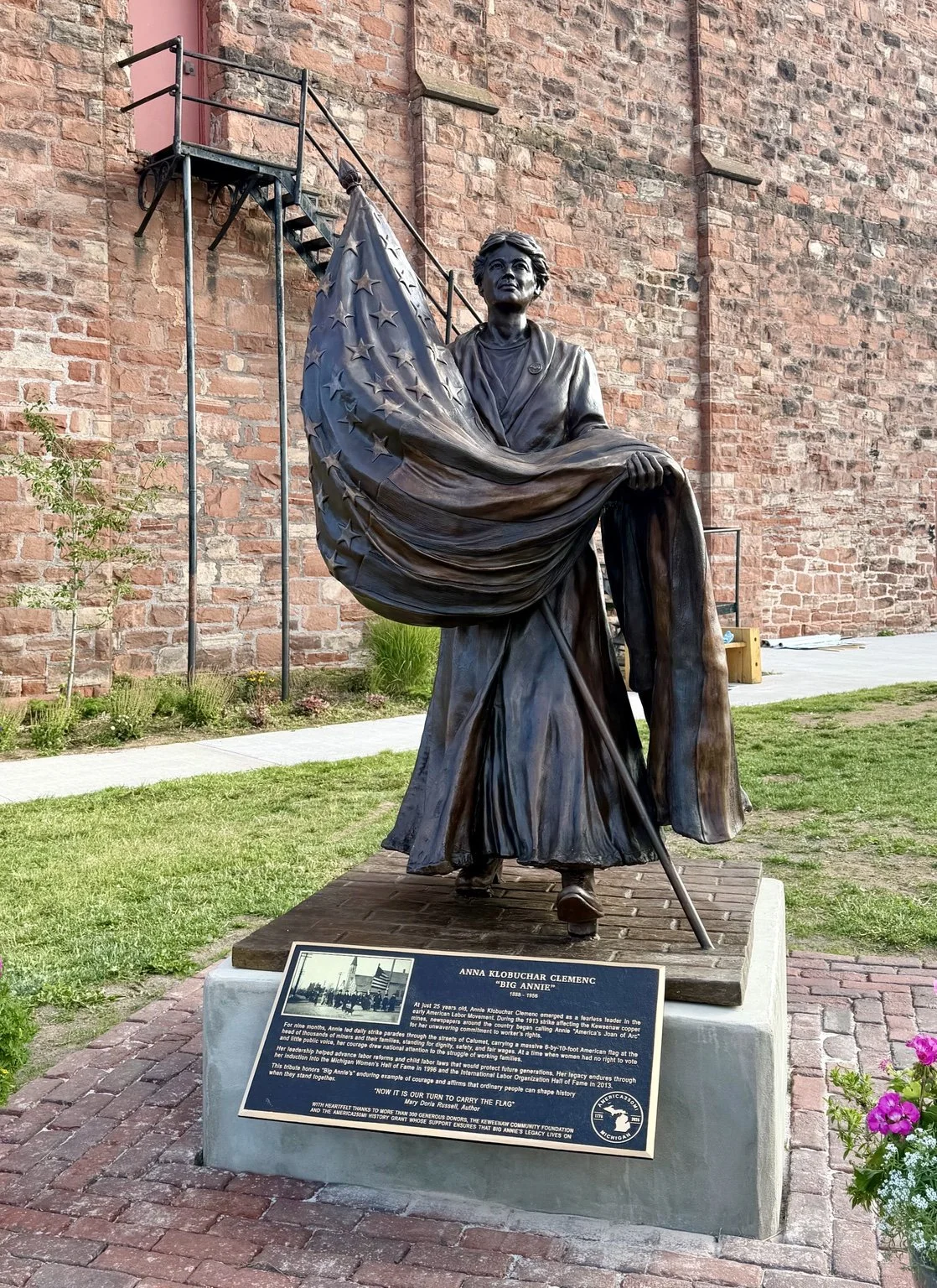
“Big” Annie Klobuchar Clemenc Shaws
With much fanfare, a new statue was unveiled in Calumet, MI, recently. A tall and stoic woman holds an American flag and gazes toward the future with hope. Anyone studying the history of the mining companies in the Western Upper Peninsula has read the name “Big Annie.” Most even know her story: leading strikers and the women supporting them during the 1913 mining strike. However, not many know the details of her life and who she was beyond the years 1913-1914.
The Old German Hotel
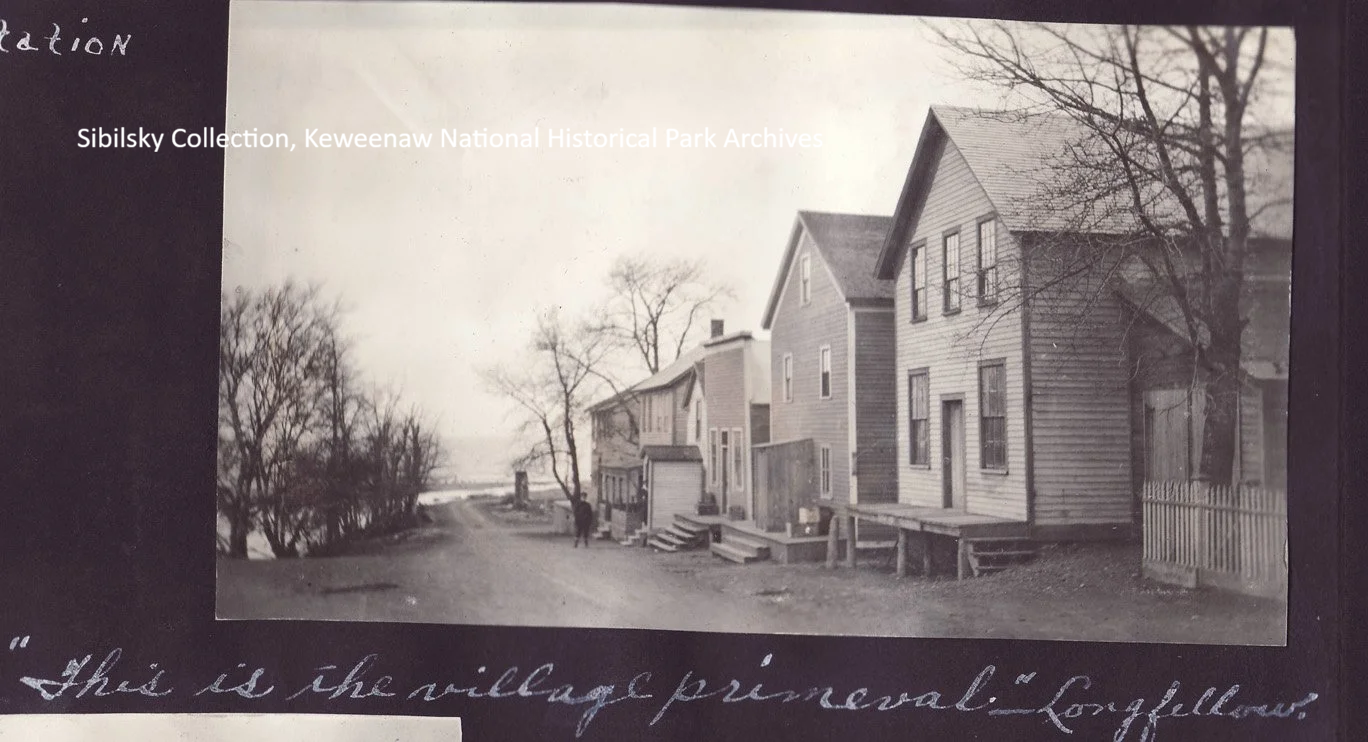
The town the Longs and other immigrants arrived in was small but, perhaps because of that size, had a strong sense of community. Peter White, one of the original settlers of the Upper Peninsula, visited Eagle River in 1851 in his position as Marquette County clerk and discovered a kind and hospitable town. According to the 1883 book covering the history of the Upper Peninsula, the men of the town insisted that he stay for a two-week visit and were so determined in keeping their winter visitor that White thought he ought to stay, for fear that he would upset them. The town, perhaps bored and sick of keeping the same company throughout the long winter, promptly threw White a party as a guest of honor. He had not packed the correct clothing, so John Senter took him into his general store and procured him a proper outfit. White later explained, “for the next eight or ten days I was put through such a round of pleasures and hospitable attentions never before nor since witnessed by me. I could not have been more civilly feasted and toasted had I been the President.”
Houghton’s Lost Gold
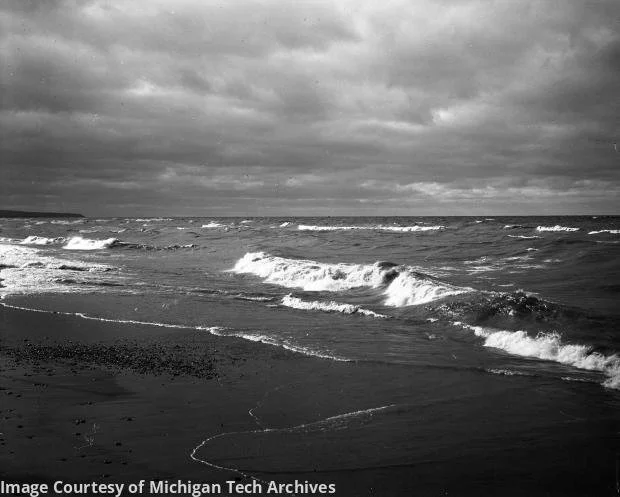
When Douglas Houghton surveyed the Keweenaw in the 1840s, he recorded the many possible mineral deposit locations. In one river or stream near Copper Harbor, he panned down into the water and came up with something unexpected: gold.
He wrote to colleagues, explaining his findings. Along with many other incredible discoveries, the location of gold was recorded in his notes, which would be assembled later into a formal report. However, Houghton was lost to Lake Superior before that report could be completed, and the location of the gold was lost with him.
Early Copper Country Immigrant Stories: Chinese
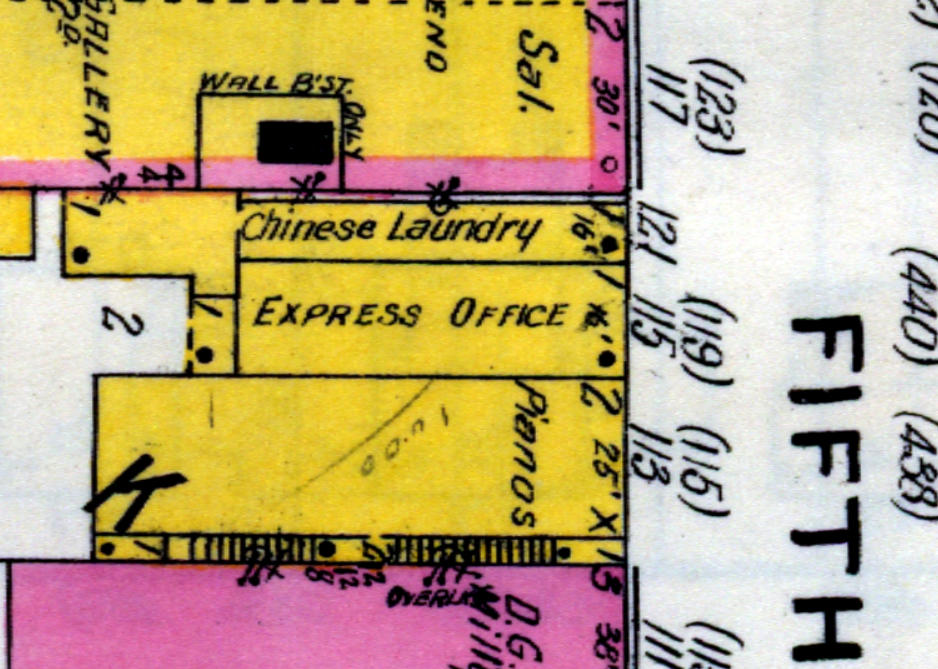
With Lunar New Year coming next week, it seems fitting to pause and focus on this lesser-known community. In 1900, the federal census recorded sixty-three men born in China living in Houghton County. The 1903 Houghton County directory (to the right) lists twenty-four laundries, almost all owned by Chinese men. They provided their services on Fifth Street in Calumet, on Tezcuco Street in Hancock, and across the mining towns of the Copper Country. Others ran chop suey restaurants, offering warm and unique food to local families. Though small in number, they were visible in the daily life of the Copper Country.
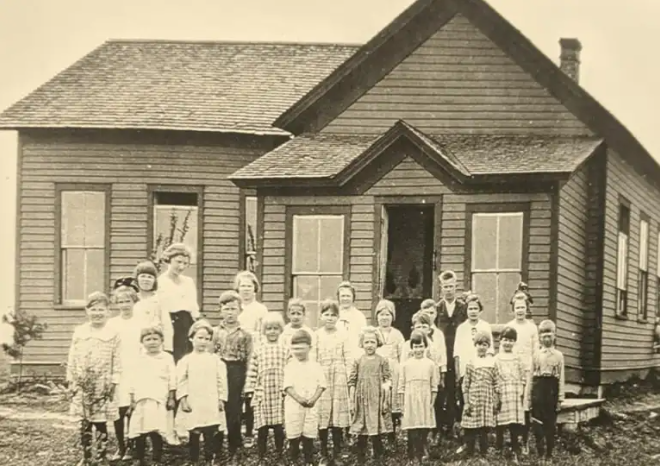
Copper Country schools: gone or no longer in use
Here is a list of past Copper Country schools that are either no longer operational or now gone from demolition or disrepair.
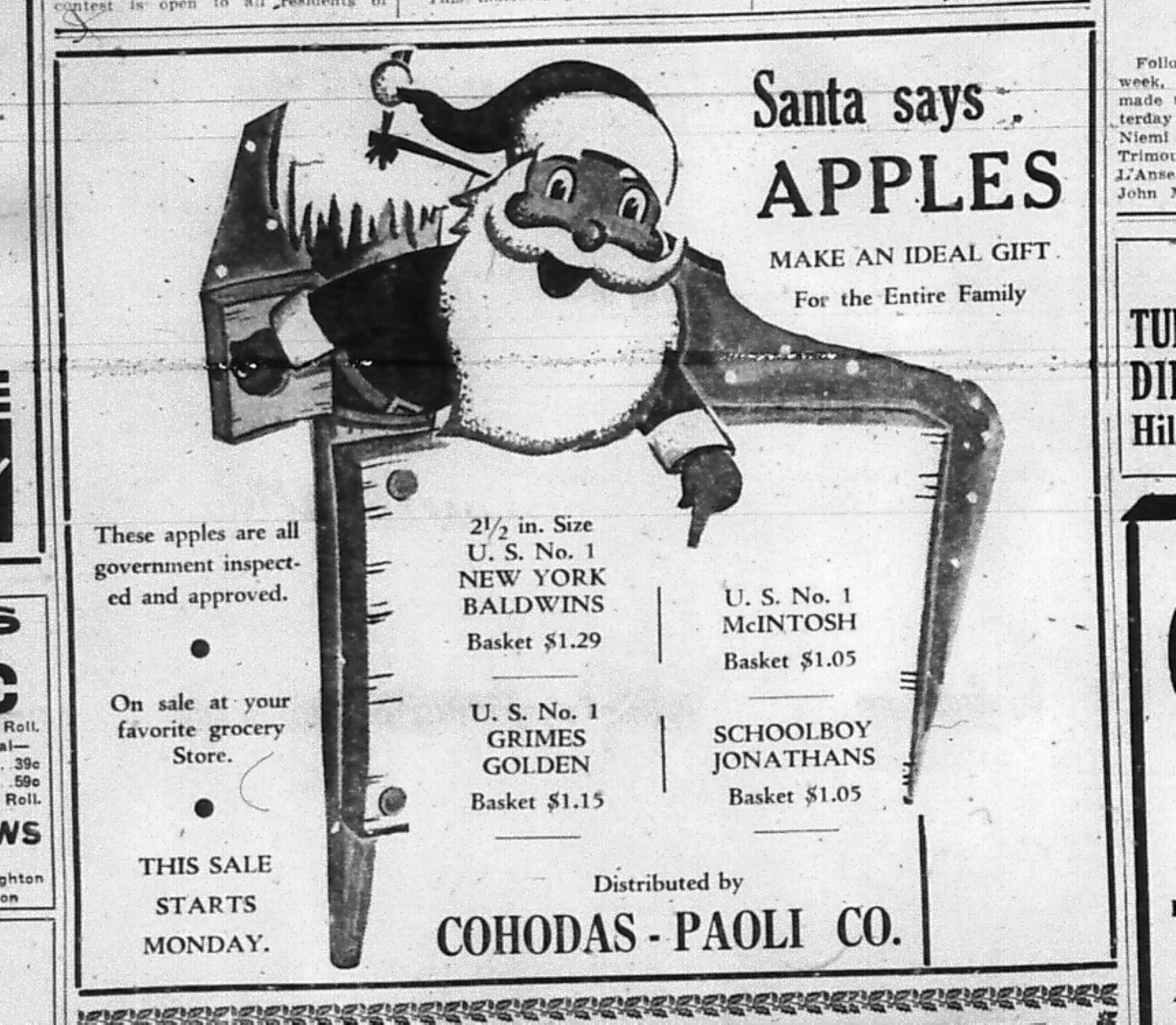
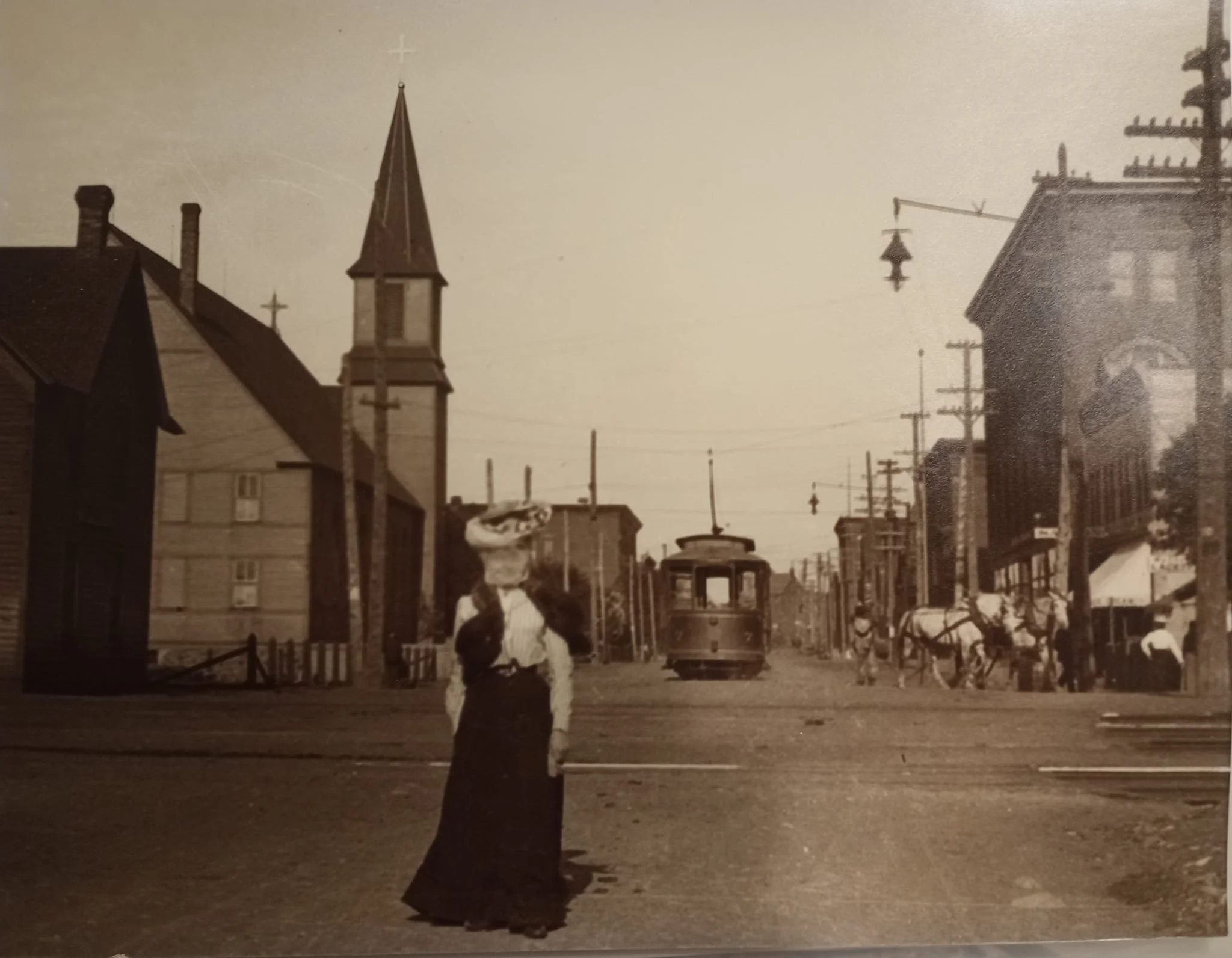
Brothels and "Soiled Doves" in the Copper Country
Like many growing, working-class regions in the late nineteenth and early twentieth centuries, the Copper Country had its share of vice. Large numbers of men, many of them unmarried, moved into the area as mining, lumber, and railroad jobs reshaped its streets and neighborhoods. In their limited hours away from work, these men looked for ways to spend their time off. As a result, the expanding towns saw not only a proliferation of pubs and saloons, but also what newspapers of the time described as “dens of vice,” “houses of ill fame,” and “disreputable houses.”
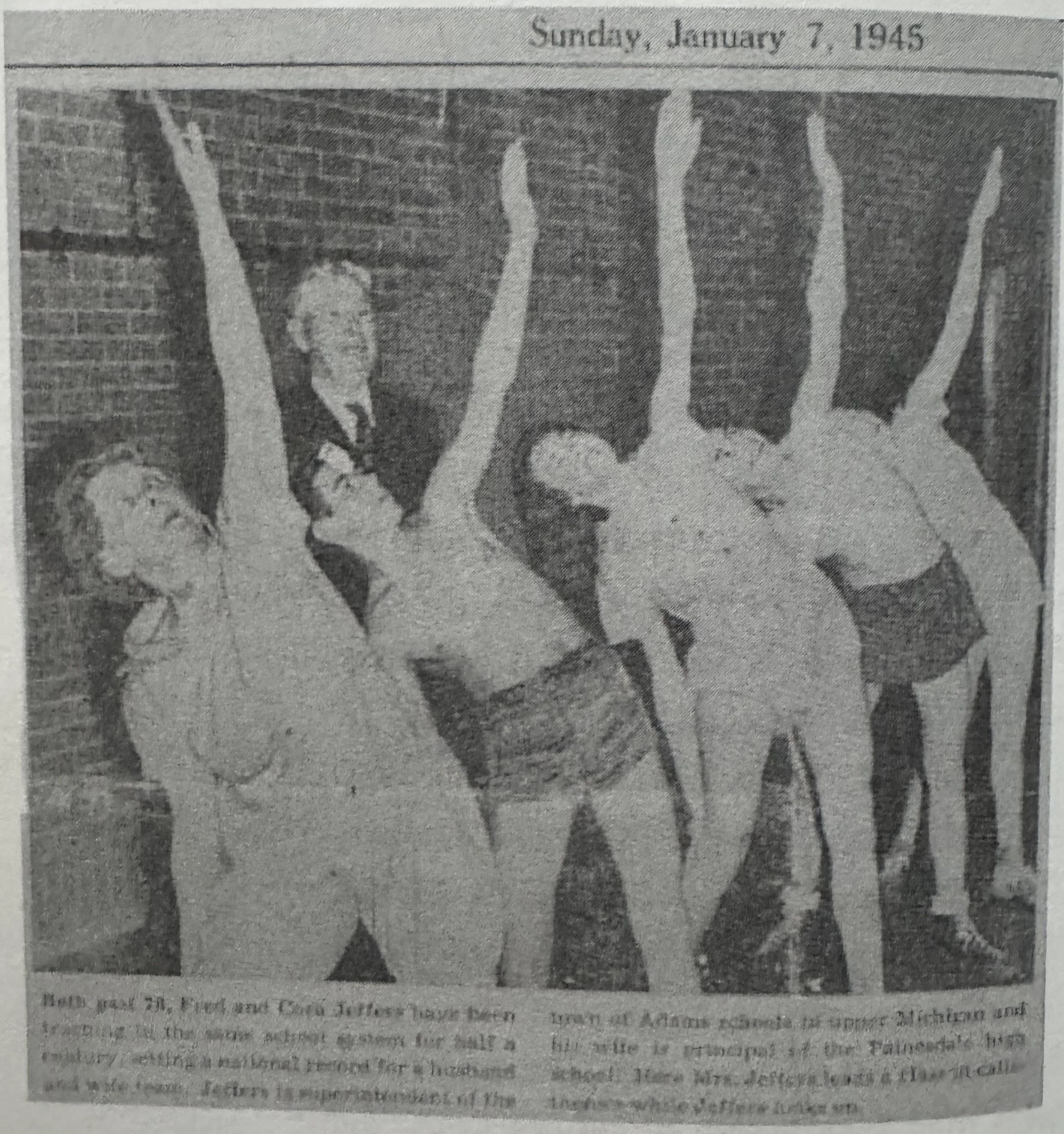
Cora Jeffers: A Visionary in Education and Beyond
Cora Doolittle Jeffers spent nearly sixty years shaping education in the Upper Peninsula. Her devotion to students and Adams Township schools helped transform the district into a place known across Michigan for strong teaching, steady expansion, and genuine opportunity. She opened doors for the students of Painesdale High School and beyond, championing physical education long before it was common and standing firm for women’s right to vote in the Copper Country. Her life is filled with remarkable achievements, and each one reflects a woman whose influence reached far beyond the classroom.
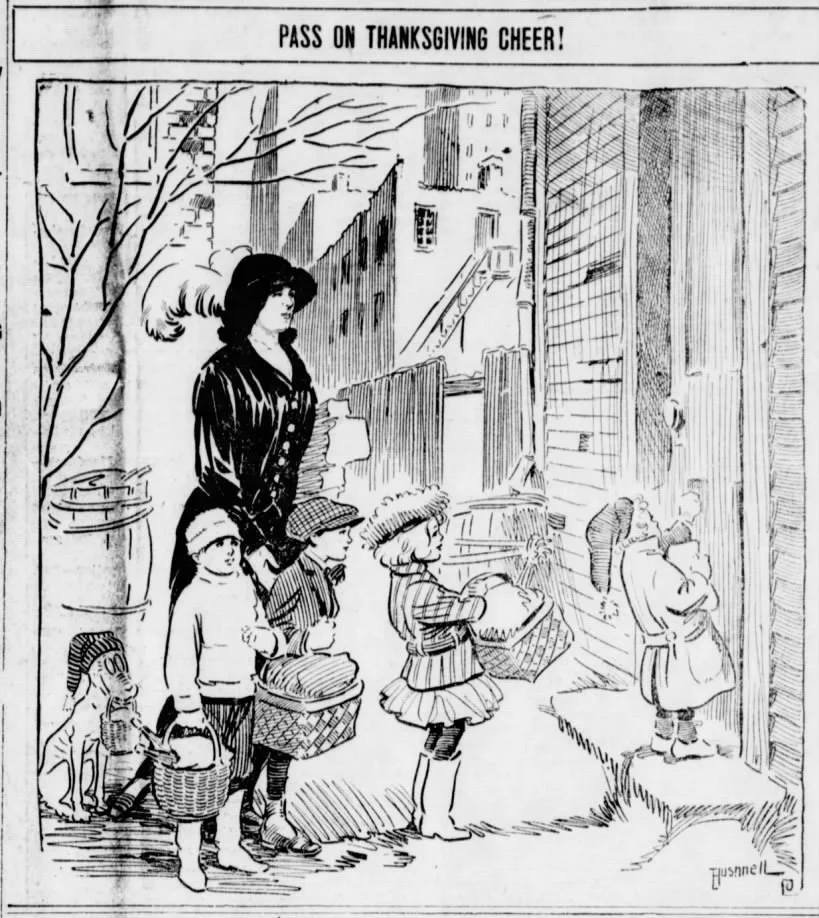
Thanksgiving in the Copper Country
The early local papers recorded Thanksgiving in a way that shows the traditions of the season through everyday details. Here is a timeline of articles, advertisements, and local announcements that show how Thanksgiving was observed and celebrated in the Copper Country between 1896 and 1913.